Choosing between furnished and unfurnished apartments in Taiwan significantly impacts your move-in experience, costs, and flexibility. Understanding what each option includes, associated costs, and lifestyle implications helps you make informed decisions matching your circumstances and Taiwan plans.
What "Furnished" Really Means in Taiwan
Taiwan's definition of "furnished" differs from Western standards and varies significantly between landlords.
Standard Furnished Apartments
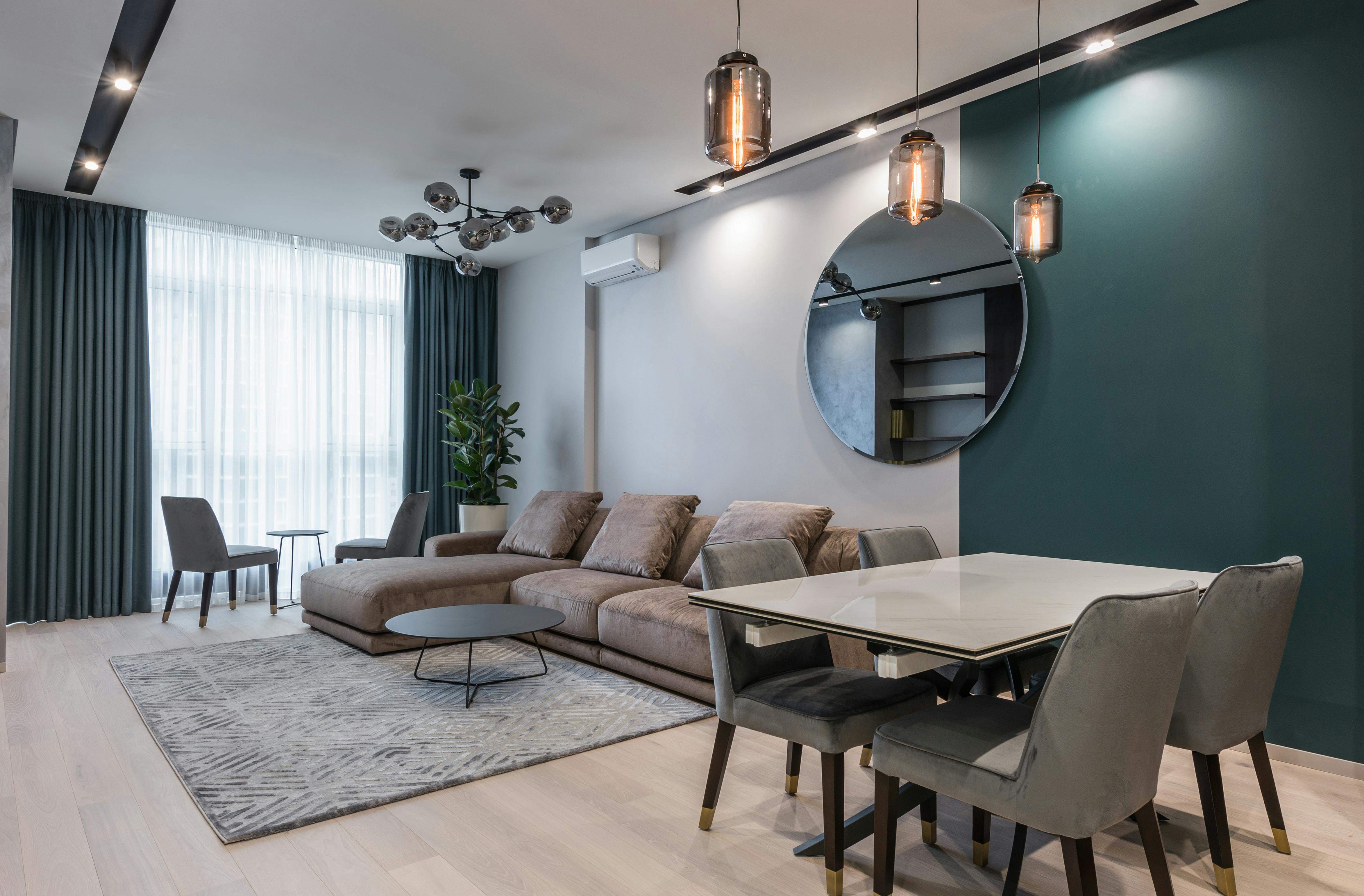
Typical furnished Taiwan apartments include beds (frames and mattresses), wardrobes or closet storage, air conditioning units, washing machines, basic kitchen appliances (gas stove, range hood, sometimes refrigerator), water heaters for showers, and ceiling lights or basic lighting fixtures. Some include desks, chairs, sofas, dining tables, and television sets.
What's often NOT included despite being "furnished": bedding (sheets, pillows, blankets), kitchen equipment (rice cooker, pots, pans, utensils, dishes), cleaning supplies and tools, curtains or blinds beyond basics, decorative items, and smaller appliances like microwaves or toasters. Always clarify exactly what's included before assuming.
Levels of Furnishing
Basic furnished means essential large items only—bed, wardrobe, AC, washing machine. You'll need to purchase most household items. Partially furnished includes basic furniture plus some kitchen appliances and perhaps desk/chair combinations. Fully furnished provides everything needed for immediate move-in including kitchen equipment, bedding, and complete furniture sets.
Luxury or serviced apartments offer hotel-like furnishings with quality furniture, complete kitchen setups, premium bedding and linens, decorative elements, and sometimes weekly cleaning services. These command significant rent premiums but require zero additional purchases.

Understanding Unfurnished Apartments
Taiwan's "unfurnished" apartments aren't completely empty like in some Western countries. Cultural norms mean certain fixtures remain standard.
What Unfurnished Includes
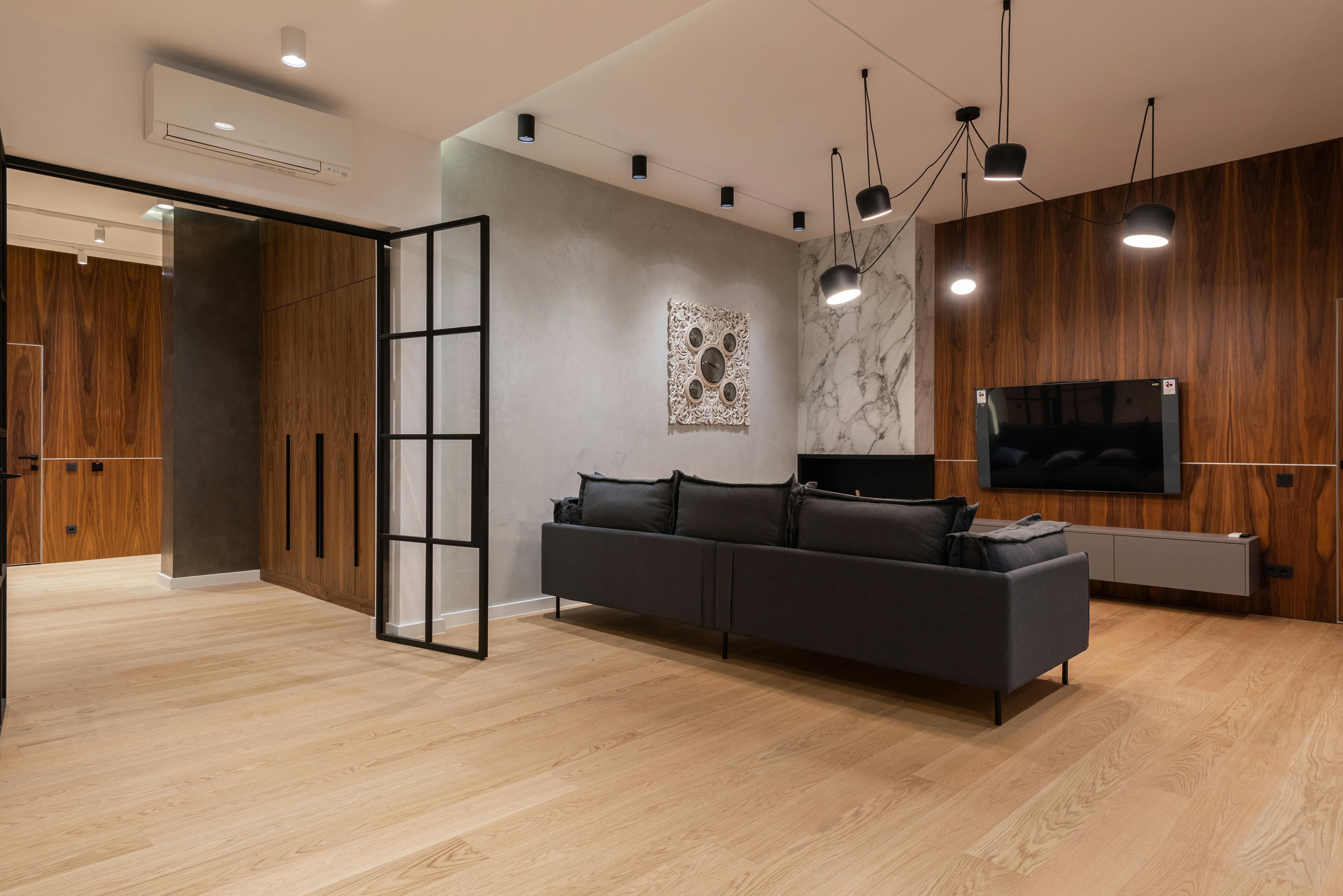
Even unfurnished apartments typically provide air conditioning units (often in living room and bedrooms), kitchen gas stoves and range hoods, water heaters for bathrooms, basic lighting fixtures, and sometimes built-in wardrobes or storage. These are considered part of the apartment infrastructure rather than furnishings.
What you'll need to provide includes all furniture (beds, sofas, dining tables, chairs, desks), wardrobes if not built-in, refrigerator, washing machine, small appliances (rice cooker, microwave, toaster), kitchen equipment and utensils, bedding and linens, curtains and window treatments, and decorative items.
Move-In Condition Variations
Some unfurnished apartments come completely empty requiring even curtain installation. Others include basic built-in elements like kitchen cabinets and closets reducing your furniture needs. Always inspect and clarify during viewings—take photos of provided fixtures to prevent disputes later.
Cost Comparison
Understanding true costs beyond monthly rent helps you evaluate which option offers better value.
Rent Differences
Furnished apartments typically cost 10-30% more monthly than equivalent unfurnished units. A Daan District studio might rent for NT$16,000 unfurnished versus NT$19,000-22,000 furnished. This premium reflects landlord investments in furniture and appliances plus perceived convenience value.
However, rental premiums vary by area and property type. Older apartments in student areas show smaller gaps (5-15%) while modern buildings in expat-heavy districts command larger furnished premiums (20-40%).
Initial Setup Costs
Unfurnished apartments require significant upfront investments. Budget NT$30,000-80,000 for basic furniture and appliances. Essential items include bed and mattress (NT$8,000-20,000), wardrobe if not built-in (NT$3,000-10,000), refrigerator (NT$8,000-18,000), washing machine (NT$6,000-15,000), rice cooker (NT$1,000-3,000), basic kitchen equipment (NT$2,000-5,000), bedding and linens (NT$2,000-5,000), curtains (NT$1,000-4,000), and desk/chair if needed (NT$3,000-8,000).
These ranges reflect quality choices. Ikea, local furniture stores, and second-hand markets offer options across price points. The initial investment is substantial but you own the items and can sell or move them when leaving.
Long-Term Financial Analysis
For stays under 6 months, furnished apartments usually cost less overall despite higher rent—you avoid furniture purchases and disposal hassles. For 6-12 month stays, costs roughly equal out—furniture investment balances against higher furnished rent. For stays over 1 year, unfurnished apartments typically save money—initial furniture investment amortizes over time.
Example calculation for 18-month stay: Furnished apartment at NT$22,000 monthly = NT$396,000 total. Unfurnished apartment at NT$16,000 monthly (NT$288,000) plus NT$50,000 furniture (sell for NT$15,000 upon leaving) = NT$323,000 total. The unfurnished option saves NT$73,000 over 18 months.
Lifestyle and Practical Considerations
Beyond finances, lifestyle factors significantly influence which option suits you better.
Move-In Convenience
Furnished apartments allow immediate occupancy with minimal preparation. Arrive with suitcases and start living within hours. This convenience matters immensely for international moves, short-term work assignments, or when arriving without support networks. You avoid furniture shopping trips, delivery coordination, and assembly tasks.
Unfurnished apartments require 1-2 weeks minimum for furniture shopping, delivery scheduling, and setup. Some people enjoy the process of creating personalized spaces. Others find it stressful, especially when navigating language barriers and unfamiliar stores. Consider your tolerance for logistical challenges and Chinese language abilities.
Personalization and Comfort
Furnished apartments provide "good enough" furnishings selected by landlords based on cost and durability rather than style or comfort. Sofas may be uncomfortable, beds too firm or soft, and aesthetics may not match your preferences. You're living with someone else's choices.
Unfurnished apartments let you select everything—choose mattress firmness, furniture styles, and create spaces matching your aesthetic preferences. This control matters more to some people than others. If you're particular about sleep quality, ergonomic work setups, or interior design, unfurnished provides freedom furnished cannot.
Moving and Flexibility
Furnished apartments simplify moving. When your lease ends, pack your belongings and go. No furniture to sell, dispose of, or transport. This flexibility suits people uncertain about long-term Taiwan plans or those who may relocate between cities.
Unfurnished apartments create moving complications. Selling furniture takes time and effort—Facebook marketplace groups, secondhand stores, or simply discarding items. Moving furniture between apartments is expensive (NT$5,000-15,000 for moving services) and logistically complex. Your mobility decreases with furniture ownership.
Where to Buy Furniture in Taiwan
If choosing unfurnished apartments, knowing where to source furniture efficiently helps.
New Furniture Retailers
Ikea offers affordable, modern furniture with straightforward assembly. Two Taipei locations (Neihu and Xinzhuang) provide complete home solutions. Prices are moderate and quality adequate for temporary living. Hola (特力屋) sells furniture, appliances, and home goods across Taiwan with competitive pricing.
B&Q and other home improvement chains stock furniture and household items. Local furniture districts like Taipei's Bade Road feature numerous independent stores with varying price points. Prices are often negotiable at local stores unlike international chains.
Secondhand and Budget Options
Facebook Marketplace and groups like "Taiwan Buy & Sell" have active furniture markets. Expats leaving Taiwan often sell complete apartment setups at significant discounts. You can furnish entire apartments for 30-50% of new costs. Inspect carefully and negotiate prices.
Carousell, Taiwan's popular secondhand app, lists furniture, appliances, and household goods. Local secondhand stores exist in some areas though selections vary. Some stores deliver for small fees. Night markets occasionally have furniture vendors selling basic items cheaply.
Appliance Shopping
For major appliances, chain stores like Tsann Kuen (燦坤), Best Buy-like electronics retailers, and appliance specialty stores offer reliable products with warranties. Compare prices across stores—significant variation exists. Online platforms like Momo, PChome, and Shopee deliver appliances though warranty support may be more complex than physical stores.
Negotiating With Landlords
Sometimes you can customize furnishing arrangements through negotiation.
Adding Items to Furnished Apartments
If furnished apartments lack specific items you need, ask landlords to provide them. Reasonable requests like adding desks for work-from-home or upgrading mattresses for health reasons often succeed. Offer to pay slight rent increases (NT$500-1,000 monthly) to offset landlord costs. Some landlords appreciate improving their properties if tenants commit to longer leases.
Removing Furnished Items
Furnished apartments sometimes include unnecessary items consuming space. Politely ask to remove or store items you won't use. Most landlords agree if you offer to restore everything upon moving out. Document original configurations with photos to avoid disputes.
Hybrid Arrangements
Propose partially furnished options—rent the apartment unfurnished but request specific items like air conditioners, washing machines, or kitchen appliances remain. This reduces your purchase burden while giving you furniture selection freedom. Landlords may agree to lower rent while retaining expensive built-in appliances.
Decision Framework
Use these factors to determine which option suits your situation best.
Choose Furnished If You:
Plan to stay less than 6-8 months, value convenience over customization, lack time or energy for furniture shopping, have limited Chinese language skills for purchasing, want flexibility to easily relocate, or dislike dealing with selling/disposing furniture later. Furnished apartments suit short-term workers, students on exchange programs, digital nomads, or anyone testing Taiwan before committing long-term.
Choose Unfurnished If You:
Plan to stay over one year, prioritize specific comfort or style preferences, enjoy creating personalized living spaces, have language support or skills for shopping, budget allows initial furniture investment, or value better long-term cost efficiency. Unfurnished works for long-term residents, families with specific needs, or people establishing Taiwan as extended homes.
Transition Strategies
Sometimes your initial choice changes as circumstances evolve.
Starting Furnished, Moving to Unfurnished
Many expats begin in furnished apartments while adjusting to Taiwan, then transition to unfurnished places after establishing themselves. Use your furnished period to learn neighborhoods, understand your needs, and build language skills. Then search for unfurnished apartments with confidence about what you want.
When ready to transition, give proper notice, gradually purchase furniture while still in furnished places, and plan moving logistics carefully to minimize overlap costs.
Temporary Furniture Solutions
Some companies rent furniture for 6-12 month periods. Monthly fees of NT$3,000-8,000 provide complete furnishing packages without purchase commitments. This suits defined-term stays between short and long-term thresholds. Research furniture rental services like "Taiwan Furniture Rental" or check expat forums for current providers.
Moving Forward
Taiwan's furnished versus unfurnished apartment choice depends heavily on your specific circumstances, timeline, and priorities. Neither option is universally better—each suits different situations and personality types.
Start by honestly assessing your Taiwan plans. Short-term stays clearly favor furnished despite higher rent. Long-term residence rewards unfurnished investment despite initial inconvenience. The gray area of 6-18 month stays requires careful cost analysis and lifestyle preference evaluation.
Whatever you choose, inspect apartments carefully, clarify exactly what's provided in writing, photograph everything at move-in, and maintain good landlord communication. These practices protect you regardless of furnished status and ensure positive Taiwan renting experiences.