Short-term housing in Taiwan presents unique challenges compared to standard year-long leases. Whether you're testing out Taiwan before committing long-term, on a work assignment, or between permanent accommodations, finding quality short-term options requires understanding different markets and expectations. This guide helps you navigate 1-3 month housing solutions efficiently and affordably.
Understanding Taiwan's Short-Term Housing Market
Taiwan's rental market heavily favors long-term tenancies. Traditional landlords prefer stable, year-long leases with minimal turnover. This cultural preference means short-term options are limited and often command premium pricing.
Why Short-Term Costs More
Short-term rentals typically cost 20-50% more than equivalent long-term apartments. A studio that rents for NT$15,000 monthly on a year lease might cost NT$20,000-25,000 for month-to-month arrangements. Landlords charge premiums to offset higher turnover costs, vacancy risks, and administrative burden of frequent tenant changes.
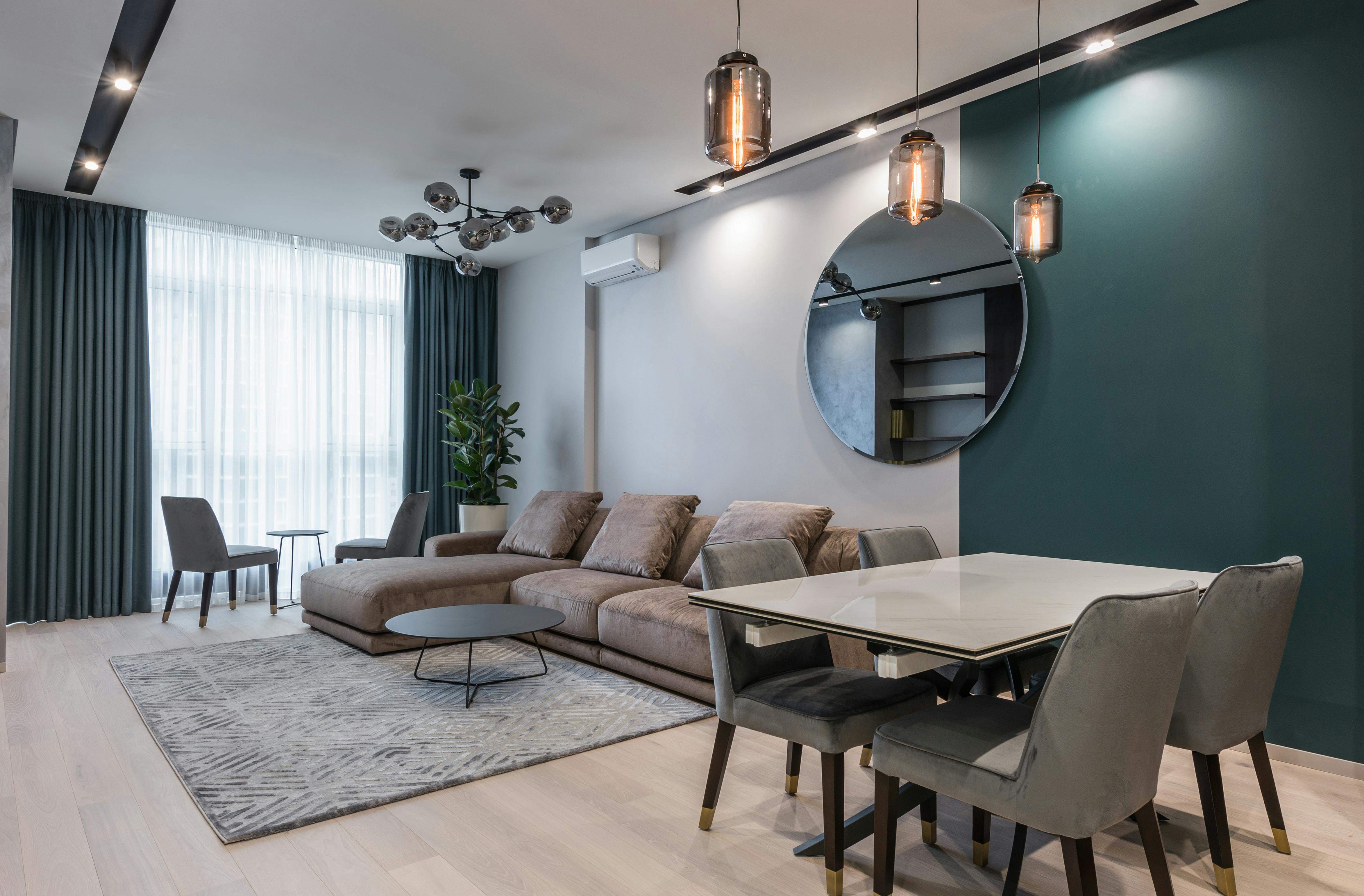
Furnished short-term units include another markup. Furnishings, utilities setup, and amenities cost landlords upfront investments they recoup through higher rents. However, this premium eliminates your need to purchase furniture, set up internet, or handle utility contracts—valuable for temporary stays.
Typical Short-Term Arrangements
Month-to-month leases provide maximum flexibility with 30-day notice periods but cost most. Three-month leases balance flexibility and cost, often reducing monthly rates 10-15% compared to month-to-month. Some landlords offer "trial periods"—start with three months with options to convert to annual leases at reduced rates if you decide to stay longer.
Types of Short-Term Housing
Several housing categories cater to short-term residents, each with distinct advantages and limitations.
Serviced Apartments and Co-Living Spaces
Professionally managed serviced apartments and co-living operators specialize in short-term stays. Companies like RoamDen, Hmlet, and local operators offer fully furnished units with flexible lease terms starting from one month. Prices range from NT$18,000-45,000 monthly depending on location, size, and amenities.
Benefits include English-speaking management, straightforward contracts without complex negotiations, included utilities and internet, community events and networking opportunities, and professional maintenance and support. Drawbacks are higher costs compared to traditional apartments and sometimes smaller living spaces optimized for efficiency.
Airbnb and Short-Term Rental Platforms
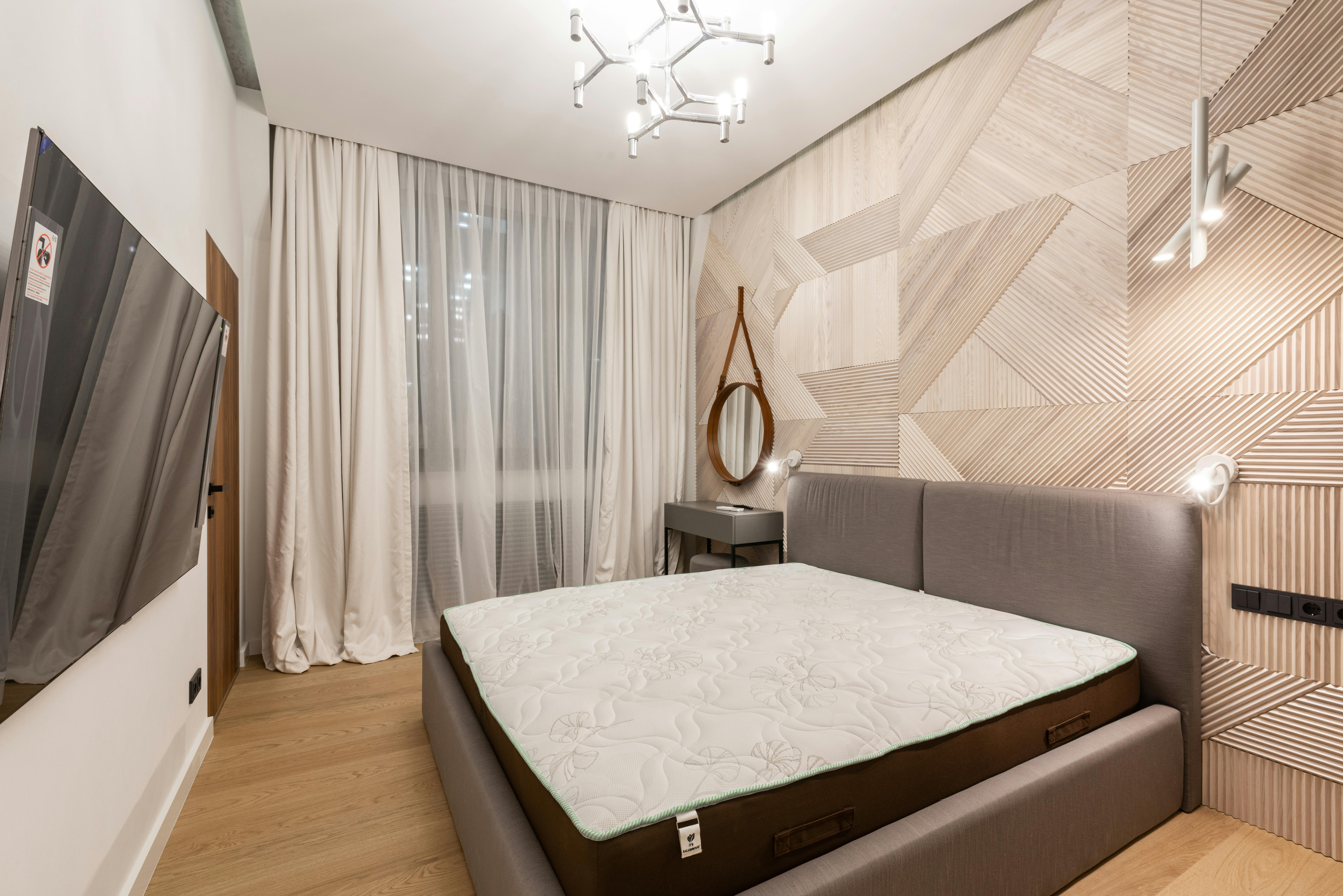
Airbnb, Booking.com, and local platforms like AsiaYo offer apartments for short stays. Monthly Airbnb rates often discount daily rates 30-50%, making them competitive with other short-term options. Expect to pay NT$20,000-50,000 monthly for studios to one-bedrooms in Taipei.
Advantages include instant booking without applications or negotiations, reviews and photos providing transparency, flexibility to try different neighborhoods, and typically full furnishings and amenities. Disadvantages are legal gray areas—Taiwan law restricts short-term residential rentals, potential for last-minute cancellations by hosts, limited tenant protections compared to formal leases, and cleaning fees and service charges adding to total costs.
Hostels with Long-Stay Options
Many Taipei hostels offer private rooms for extended stays at discounted rates. Monthly rates for private rooms range from NT$12,000-20,000, while dorm beds drop to NT$6,000-10,000 monthly. Shared facilities reduce privacy but maximize affordability.
Hostels suit solo travelers comfortable with shared spaces, budget-conscious individuals prioritizing savings over privacy, social people enjoying hostel communities, and those wanting central locations without commitment. Quality varies dramatically—research reviews carefully before committing to longer stays.
Sublets and Room Rentals
Existing tenants sometimes sublet rooms when traveling or seeking roommates. Facebook groups like "Taipei Apartments & Roommates" and "Housing Taiwan" frequently post sublet opportunities. Prices range from NT$8,000-18,000 monthly for rooms in shared apartments.
Sublets offer lower costs than commercial short-term rentals, opportunities to live with locals or established expats, and sometimes negotiable terms based on duration. Risks include less formal arrangements with limited legal protections, primary tenants who may not have landlord permission to sublet, and variable quality and living conditions.

Finding Short-Term Housing
Multiple search strategies increase your chances of finding suitable short-term accommodation.
Online Platforms
Start with specialized short-term platforms. RoamDen, Hmlet, and similar services list verified short-term rentals with transparent pricing and English support. Airbnb and Booking.com offer filtering by monthly stays—contact hosts directly to negotiate better rates than advertised. Facebook groups remain excellent resources—join "Taipei Housing," "Taiwan Apartments," and expat community groups where sublets and short-term options post regularly.
Local platforms like 591.com.tw include short-term listings, though primarily in Chinese. Use Google Translate or ask Mandarin-speaking friends to help search. Set filters for "短期" (short-term) or "月租" (monthly rent).
Timing Your Search
Start searching 2-4 weeks before your arrival for best selection. Last-minute searches limit options and reduce negotiating power. However, some hosts offer discounts for immediate occupancy when they have vacant periods.
Avoid peak seasons if possible. September (semester start) and January-February (Lunar New Year period) see higher demand and prices. May-August and October-December offer better availability and rates.
Direct Landlord Negotiations
Some traditional landlords accept short-term tenants if you approach them directly and offer favorable terms. Browse longer-term listings and contact landlords asking if they'd consider 2-3 month leases. Offer to pay higher monthly rates, provide larger deposits (3 months instead of 2), or pay multiple months upfront to reduce landlord concerns.
Success rates vary, but persistence pays off. Landlords with vacant properties often prefer short-term tenants over continued vacancy, especially during slower rental seasons.
What to Expect in Short-Term Rentals
Short-term accommodations differ from traditional long-term apartments in several ways.
Furnishings and Amenities
Expect fully furnished units including beds, desks, chairs, storage, kitchen equipment (rice cooker, utensils, cookware), washing machines, air conditioning, and WiFi. Higher-end options include TVs, microwaves, and more complete kitchen setups. Bring only personal items, clothes, and electronics—everything else should be provided.
Verify included amenities before committing. Ask specifically about WiFi speeds, kitchen equipment availability, washing machine access (some buildings have shared laundry), and climate control options. Photos can be misleading—video tours or in-person viewings prevent surprises.
Utilities and Additional Costs
Short-term rentals handle utilities three ways. All-inclusive pricing bundles rent, utilities, WiFi, and amenities into one monthly fee—simplest but often most expensive. Fixed utility allowances provide certain amounts of electricity/water included, with overage charges if you exceed limits. Separate billing requires you to pay utility bills directly—cheapest option but adds administrative hassle.
Clarify utility arrangements upfront. Taiwan's summer electricity bills can reach NT$2,000-4,000 monthly with air conditioning use. If utilities aren't included, budget accordingly.
Contracts and Deposits
Short-term contracts are often less formal than year-long leases. Serviced apartments provide standardized English contracts with clear terms. Airbnb operates through platform agreements with host-specific house rules. Sublets may have informal agreements or simply verbal understandings—get everything in writing via email or messaging apps for protection.
Deposits typically equal one month's rent for short-term stays, sometimes less for reputable platforms. Airbnb holds deposits through their platform. Independent landlords may request deposits via bank transfer or cash. Always get receipts and clear documentation of deposit amounts and return conditions.
Neighborhoods for Short-Term Stays
Certain Taipei areas offer better short-term housing availability and expat infrastructure.
Daan District
The highest concentration of serviced apartments and co-living spaces operates in Daan. Excellent transportation, international restaurants, cafes, and expat services make it ideal for newcomers. Expect to pay premium prices (NT$20,000-35,000 for studios) but gain maximum convenience.
Xinyi and Songshan
Modern districts near Taipei 101 attract business travelers and offer numerous short-term options. Serviced apartments and Airbnb rentals abound. Prices range from NT$22,000-45,000 monthly. These areas suit professionals on work assignments wanting upscale, central locations.
Zhongshan
Balanced between affordability and convenience, Zhongshan offers growing short-term housing markets. Proximity to Taipei Main Station aids travel. Mix of local and international environments. Prices moderate at NT$18,000-30,000 for studios and one-bedrooms.
Gongguan
University area hostels and sublet rooms provide budget-friendly short-term options. Less polished than business districts but vibrant and affordable. Studios and rooms range from NT$10,000-20,000 monthly. Suits younger travelers and students comfortable with basic accommodations.
Extending Your Stay
If you decide to remain in Taiwan beyond your initial short-term arrangement, transitioning strategies exist.
Converting to Long-Term Leases
Some landlords and co-living operators offer conversion options—transition from short-term to annual leases with reduced monthly rates. Negotiate this possibility upfront so landlords know you're potentially long-term. After proving you're reliable tenants during initial months, landlords often agree to better rates for commitment.
Moving to Traditional Apartments
Use your short-term housing as a base to search for traditional long-term apartments. This removes pressure to decide housing from abroad. You can view apartments in person, explore neighborhoods, and make informed decisions. Budget 2-4 weeks for apartment hunting while in your short-term place.
Visa Considerations
Short-term housing works well for visa-free stays (90 days for most Western nationals) or visitor visa extensions. If you obtain ARC (Alien Resident Certificate), you'll need to register your address—ensure your short-term housing allows address registration. Many Airbnb hosts refuse registration, creating complications for long-term visa holders.
Common Short-Term Housing Challenges
Understanding typical problems helps you avoid or address them effectively.
Quality Mismatches
Photos don't always match reality. Buildings may be older, noisier, or less maintained than images suggest. Neighborhoods might be less convenient than claimed. Protect yourself by requesting recent photos, video tours, or short initial stays (1 week) before committing to longer terms. Read reviews carefully and contact previous guests if possible.
Landlord Accessibility
Some short-term landlords are less responsive than professional property managers. Maintenance requests may go unanswered for days. This particularly affects Airbnb rentals where hosts don't live nearby. Choose properties with good review ratings for responsiveness. Keep communication records in case disputes arise.
Legal Ambiguities
Taiwan's laws around short-term residential rentals exist in gray areas. Technically, landlords need special permits for rentals under 30 days, but enforcement is inconsistent. This rarely affects tenants directly but can lead to sudden cancellations if authorities pressure landlords. Book through established platforms or operators with proper licensing to minimize risks.
Cost Comparison and Budgeting
Understanding total costs helps you budget accurately for short-term Taiwan living.
Sample Monthly Budgets
Budget option (hostel/shared room): NT$10,000-15,000 housing, NT$300-500 daily food, NT$1,200 transportation, total NT$20,000-25,000 monthly. Mid-range option (co-living/serviced apartment): NT$20,000-28,000 housing, NT$400-600 daily food, NT$1,200 transportation, total NT$32,000-42,000 monthly. Premium option (serviced apartment/Airbnb): NT$30,000-45,000 housing, NT$600-1,000 daily food, NT$1,500 transportation, total NT$48,000-70,000 monthly.
These ranges assume single occupants in Taipei. Couples can share housing costs but double food expenses. Living outside Taipei reduces costs 20-40% across categories.
Hidden Costs to Consider
Factor in Airbnb service fees (typically 14% of rent), cleaning fees for Airbnb (NT$800-2,000 per stay), utilities if not included (NT$800-3,000 monthly), laundry if not in-unit (NT$40-60 per load), and initial supplies (toiletries, groceries, household items NT$1,000-2,000). These additions can increase total costs 15-25% above advertised rents.
Moving Forward
Short-term housing in Taiwan requires paying premiums for flexibility, but options exist across budget ranges. Start your search early through multiple channels—specialized platforms, Facebook groups, and Airbnb. Prioritize locations with good transportation and expat infrastructure for easier transitions.
Accept that short-term means higher costs and some compromises on space or location. However, the flexibility to explore Taiwan without long-term commitment justifies the investment. Use your short-term period to decide if Taiwan suits your long-term plans, research neighborhoods thoroughly, and build local networks before committing to annual leases.
Thousands of expats successfully navigate Taiwan's short-term housing market annually. With realistic expectations and thorough research, you'll find suitable accommodation that serves as your Taiwan base while you determine your next steps.